Seeing black smoke pour out of your exhaust is unsettling. It looks bad, it smells bad, and it signals something is wrong under the hood. One surprisingly common cause is a faulty coolant temperature sensor (CTS). This small, inexpensive part sends temperature data to your engine's computer. When it fails, the computer gets the wrong information and responds by dumping too much fuel into the engine creating that thick black smoke you see from the tailpipe. Understanding how this connection works can save you from chasing expensive repairs that miss the real problem.
What does a coolant temperature sensor actually do?
The coolant temperature sensor sits near the engine block or cylinder head, submerged in or touching the engine coolant. It measures how hot or cold the coolant is and sends an electrical signal to the engine control unit (ECU). The ECU uses this reading to adjust the fuel mixture.
When the engine is cold, the ECU commands a richer fuel mixture to help with startup and warm-up. As the engine reaches operating temperature, the ECU leans out the mixture for efficiency. This back-and-forth happens constantly, and the CTS is one of the primary inputs the ECU relies on to make those decisions.
How does a broken CTS lead to black smoke?
Here is the chain of events when a CTS goes bad:
- The sensor sends a false "cold engine" signal. A faulty CTS might tell the ECU the engine is still cold even when it has been running for 20 minutes and is fully warmed up.
- The ECU responds by enriching the fuel mixture. Because the ECU thinks the engine needs extra fuel for warm-up, it opens the fuel injectors longer and sends more fuel into the combustion chamber.
- Too much fuel cannot fully burn. The excess fuel does not combust completely. The unburned carbon particles exit through the exhaust and appear as black smoke from the tailpipe.
- The problem persists as long as the sensor stays faulty. Unlike a brief puff of smoke on startup, this black smoke continues during normal driving because the ECU keeps getting the wrong temperature reading.
This is essentially how a bad engine temperature sensor makes a car run rich and smoke. The root cause is a communication breakdown between the sensor and the ECU.
What are the other symptoms of a failing coolant temperature sensor?
Black smoke is just one sign. A bad CTS usually causes several symptoms at once:
- Poor fuel economy. Running rich burns significantly more fuel than normal. You might notice more trips to the gas station.
- Rough idle or stalling. A flooded engine struggles to maintain a steady idle speed.
- Check engine light. The ECU often detects an out-of-range reading from the CTS and stores a diagnostic trouble code (DTC), usually between P0115 and P0119.
- Overheating gauge issues. The temperature gauge on your dashboard might read erratically, stay on cold, or spike unexpectedly.
- Hard starting in warm weather. If the ECU thinks it is freezing outside, it may over-flood the engine when you try to start it on a warm day.
- Failed emissions test. A rich mixture raises hydrocarbon (HC) and carbon monoxide (CO) levels, which can cause you to fail a smog inspection.
Can a faulty sensor damage other parts of the engine?
Yes, if left unchecked. Running rich over a long period can cause real problems:
- Fuel-washed cylinder walls. Excess fuel strips oil from the cylinder walls, increasing wear on pistons and rings.
- Catalytic converter damage. Unburned fuel entering the catalytic converter can overheat and destroy the catalyst material inside. Catalytic converter replacement can cost $1,000 or more.
- Fouled spark plugs. Soot and carbon deposits build up on the spark plugs, causing misfires and hard starting.
- Oil contamination. Fuel that washes past the piston rings dilutes the engine oil, reducing its ability to protect internal engine parts.
These secondary failures are why catching a bad CTS early matters the sensor itself might cost $15 to $50, but ignoring it can lead to repairs costing thousands.
How do you confirm the CTS is the problem?
Do not assume the CTS is bad just because you see black smoke. Several issues can cause a rich condition. Here is a practical diagnostic approach:
- Read the trouble codes. Use an OBD-II scanner to check for CTS-related codes (P0115–P0119) and fuel trim codes. Long-term fuel trim (LTFT) significantly below zero confirms the engine is running rich.
- Test the sensor with a multimeter. Disconnect the CTS and measure its resistance. Compare the reading to the manufacturer's specification for your engine's current temperature. A reading far outside the expected range points to a bad sensor.
- Check the wiring and connector. Before replacing the sensor, inspect the wiring harness for corrosion, broken wires, or loose connections. A damaged wire can mimic a faulty sensor.
- Compare with an infrared thermometer. Point an infrared thermometer at the engine near the sensor location. If the engine is hot but the sensor reports cold, the sensor is likely the issue.
- Look at live data. With a scanner that shows live data, watch the CTS reading as the engine warms up. It should rise steadily. If it stays frozen at one value or jumps around erratically, the sensor is suspect.
For a deeper look at the full range of causes behind rich fuel mixture and black tailpipe smoke symptoms, a systematic analysis of the exhaust smoke patterns can help narrow things down faster.
What are common mistakes when fixing this issue?
People run into trouble with this repair more often than you might expect:
- Replacing the sensor without clearing codes. After installing a new CTS, you need to clear the stored fault codes with a scan tool. The ECU may continue operating on the old, incorrect data until you reset it.
- Confusing the CTS with the temperature gauge sender. Many vehicles have two separate sensors one for the ECU and one for the dashboard gauge. Make sure you are replacing the right one.
- Ignoring the thermostat. A stuck-open thermostat can also cause the engine to run cold, which may lead the ECU to enrich the mixture. If the thermostat is bad, replacing the CTS alone will not fix the problem.
- Not checking for vacuum leaks or other fuel system issues. Black smoke can also come from leaking injectors, a faulty fuel pressure regulator, or a clogged air filter. These need to be ruled out as part of a complete diagnosis.
- Installing a cheap aftermarket sensor. Some low-cost replacement sensors are inaccurate out of the box. Using an OEM or quality-brand sensor avoids chasing your tail.
If you have already replaced the sensor and the black smoke is still there, this breakdown of what might have gone wrong after a CTS replacement covers the most likely reasons.
How long does it take to replace a coolant temperature sensor?
On most vehicles, a CTS replacement takes 30 minutes to an hour for a home mechanic with basic tools. The sensor usually threads into the engine block or intake manifold and is held in place with one electrical connector and one threaded housing.
Some vehicles make it easier than others. On certain engines, the sensor sits right on top and is easy to reach. On others, it is buried behind intake components and may require removing the air intake duct or other parts for access.
The key steps are: let the engine cool down, drain a small amount of coolant if needed, unplug the connector, unscrew the old sensor, apply thread sealant (if required), install the new sensor, reconnect the wiring, and refill any lost coolant. Bleed the cooling system of air pockets afterward.
Could the font you use on your repair documentation matter?
This is slightly off-topic, but if you are documenting your own repairs keeping a log, creating a maintenance spreadsheet, or building a small automotive blog the right typeface makes your notes easier to read and look more professional. A clean sans-serif like Rajdhani works well for technical documentation where clarity matters.
Quick checklist if you suspect a faulty CTS is causing black smoke
- ✅ Read OBD-II codes and check for P0115–P0119 or rich fuel trim values
- ✅ Test the CTS resistance with a multimeter against manufacturer specs
- ✅ Inspect the sensor wiring and connector for damage or corrosion
- ✅ Check the thermostat to rule out a stuck-open condition
- ✅ Replace the sensor with an OEM-quality part
- ✅ Clear the fault codes after replacement and test drive
- ✅ Monitor live data to confirm the new sensor reads correctly during warm-up
- ✅ If black smoke persists, inspect fuel injectors, fuel pressure regulator, and air filter
Start with the simplest and cheapest test reading the codes and checking the sensor resistance. A $15 sensor fix is a lot better than a $1,500 catalytic converter replacement down the road. If you want to understand the broader picture of what your exhaust smoke is telling you, reviewing a full tailpipe smoke analysis can help you identify whether the CTS is truly the root cause or just one piece of a larger problem.
 Diagnosing Rich Fuel Mixture: Black Tailpipe Smoke Symptoms Explained
 Can a Bad Engine Temperature Sensor Make a Car Run Rich and Smoke
 Black Smoke After Replacing a Coolant Temperature Sensor
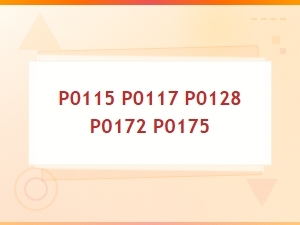 Obd2 Codes for Coolant Sensor Failures and Black Smoke
 How to Replace a Coolant Temperature Sensor to Fix Black Smoke and Rough Idle
 Coolant Temperature Sensor Failure Symptoms Causing Rich Fuel Mixture