Black smoke puffing out of your tailpipe is never a good sign. When your engine burns too much fuel relative to air, it creates a rich fuel mixture and one of the most visible symptoms is thick black or dark gray exhaust smoke. Knowing how to diagnose this problem early can save you from wasted fuel, failed emissions tests, catalytic converter damage, and expensive engine repairs down the road. This article walks you through exactly what to look for, what causes it, and what to do next.
What Does Black Smoke From a Rich Fuel Mixture Actually Mean?
When your engine runs "rich," it means the air-fuel ratio has shifted too far toward fuel. A healthy gasoline engine targets roughly 14.7 parts air to 1 part fuel (called the stoichiometric ratio). When that ratio drops say to 12:1 or lower there isn't enough oxygen to burn all the fuel completely. The unburned fuel exits through the exhaust as black, sooty carbon particles. That's what you see as black tailpipe smoke.
This isn't the same as white smoke (which usually points to coolant burning) or blue smoke (which typically signals oil leaking into combustion). Black exhaust smoke specifically points to excess fuel. The color and density of the smoke can vary depending on how rich the mixture is and what's causing the problem.
How Can I Tell If My Black Smoke Is From a Rich Condition?
Here are the most common signs that go along with a rich fuel mixture:
- Black soot on the tailpipe opening wipe a finger inside the tip; a thick, powdery black residue confirms incomplete combustion.
- Fuel smell from the exhaust raw, unburned gasoline has a sharp, unmistakable odor compared to normal exhaust.
- Rough idle or misfires too much fuel can foul spark plugs, causing the engine to stumble at idle.
- Poor fuel economy if you're burning more gas than usual and notice black smoke, the two are likely connected.
- Check engine light the oxygen sensors and fuel trim monitors will usually flag rich conditions with specific OBD2 trouble codes.
- Darkened or wet spark plugs pulling a plug that's covered in dry black soot or soaked in fuel is a classic indicator of a rich running engine.
What Commonly Causes a Rich Fuel Mixture?
Several components can push your engine into a rich condition. Here are the most frequent culprits:
Faulty Coolant Temperature Sensor
A bad coolant temperature sensor can cause black smoke because it sends incorrect temperature data to the engine control module (ECM). If the sensor tells the ECM the engine is cold when it's actually warm, the ECM commands a richer fuel mixture as if the engine were still in warm-up mode. This is one of the most overlooked causes and is worth checking early in your diagnosis.
Leaking or Stuck-Open Fuel Injectors
An injector that doesn't close properly will drip fuel into the cylinder even when it shouldn't. This constant over-fueling creates a rich condition in one or more cylinders and leads to black smoke, especially at idle.
Failed Oxygen Sensor
The oxygen (O2) sensor monitors exhaust gases and tells the ECM how to adjust the fuel mixture. A lazy or dead O2 sensor may constantly read "lean," causing the ECM to compensate by adding more fuel than needed.
Clogged Air Filter or Restricted Air Intake
Less air coming in means the existing fuel creates a richer mixture. A severely dirty air filter, collapsed intake hose, or debris blocking the air box can all restrict airflow enough to cause visible black smoke.
High Fuel Pressure
A faulty fuel pressure regulator or a kinked return line can push fuel pressure above spec. Higher pressure means more fuel delivered per injector pulse, tipping the mixture rich.
Malfiring Mass Airflow Sensor (MAF)
The MAF sensor measures how much air enters the engine. If it's dirty or failing, it may underreport airflow. The ECM then injects fuel based on a lower air reading, creating a rich condition.
When Does Black Smoke Usually Show Up?
The timing of the smoke can give you clues about the cause:
- At startup only often normal for carbureted or very cold engines, but on modern fuel-injected cars it can signal a leaking injector or a temperature sensor making the engine run rich.
- Under acceleration a clogged air filter, failing MAF sensor, or weak fuel pressure regulator may only cause problems when the engine demands more fuel.
- Constant at all speeds this usually points to a sensor failure, stuck injector, or a more serious fuel system issue that needs immediate attention.
- During warm-up then clears the engine may be running open-loop (without O2 sensor feedback) due to a sensor fault, enriching the mixture until it eventually corrects itself.
How Do I Diagnose a Rich Fuel Mixture Step by Step?
Follow this practical diagnostic sequence to narrow down the cause:
- Read the OBD2 codes. Use an OBD2 scanner to pull stored and pending trouble codes. Codes like P0172 and P0175 (system too rich, bank 1 and bank 2) are direct indicators. You can also look for specific codes tied to coolant sensor problems that lead to rich running.
- Check live fuel trim data. Look at short-term and long-term fuel trims. Negative fuel trims (like -15% to -25%) mean the ECM is pulling fuel to compensate for a rich condition.
- Inspect the air filter and intake path. Pull the air filter and check for clogging. Look for collapsed hoses or disconnected ducts between the air box and throttle body.
- Test the coolant temperature sensor. Use a multimeter to measure resistance at different temperatures and compare to the manufacturer's spec. An out-of-range reading means it's feeding bad data to the ECM.
- Check fuel pressure. Connect a fuel pressure gauge to the test port on the fuel rail. Compare the reading to the spec in your service manual. High pressure points to a regulator or return line problem.
- Inspect the spark plugs. Pull each plug and look at the electrode. Black, dry, sooty deposits confirm rich combustion in that cylinder. A wet, fuel-soaked plug may indicate a leaking injector.
- Test the MAF sensor. With a scanner, compare the MAF reading at idle to the expected grams-per-second value for your engine size. A reading that's too low suggests a dirty or failing sensor.
- Check O2 sensor response. Monitor the upstream O2 sensor voltage on a scanner. It should cycle between roughly 0.1V and 0.9V. A sensor stuck low (lean signal) will cause the ECM to over-fuel.
What Mistakes Do People Make When Diagnosing Black Smoke?
A few common errors can send you down the wrong path:
- Jump straight to replacing parts without scanning. Throwing a new O2 sensor or set of injectors at the problem without reading codes and data wastes money. Let the diagnostic data guide you.
- Ignoring the coolant temperature sensor. It's inexpensive and easy to test, but many people skip it. A faulty sensor is a surprisingly common reason a car runs rich and smokes.
- Confusing black smoke with blue smoke. Oil burning produces a bluish tint. Fuel burning produces black or dark gray. Getting the color wrong leads to the wrong diagnosis.
- Forcing clearances with generic O2 sensors. Aftermarket sensors that aren't the exact match for your vehicle can read inaccurately, perpetuating the rich condition even after you "fix" it.
- Not checking the air intake. People often overlook the simple stuff. A mouse nest in the air box or a disconnected intake boot can restrict airflow and cause black smoke.
Does Black Smoke Always Mean Something Serious?
Not always. A brief puff of dark smoke during hard acceleration on a diesel engine can be normal. On gasoline engines, a small amount of dark exhaust on a very cold morning startup may just be the engine running its enrichment cycle. But if black smoke is consistent, thick, or accompanied by poor performance, it's a sign of a real problem that needs diagnosis. Letting it go can lead to catalytic converter failure (the unburned fuel overheats the converter), fouled spark plugs, and wasted fuel.
What Should I Do After Finding the Cause?
Once you've identified the root cause whether it's a bad sensor, clogged air filter, leaking injector, or high fuel pressure fix it and then:
- Clear the OBD2 codes and drive the vehicle through a full drive cycle to confirm the repair.
- Recheck fuel trim values after the fix. They should return to near zero (within ±5%).
- Inspect the catalytic converter if the rich condition ran for a long time. Unburned fuel can damage the catalyst substrate.
- Clean or replace fouled spark plugs they may not recover on their own after prolonged rich running.
Choosing the right font style for your repair documentation can help keep your notes organized. If you're building a personal repair log or sharing diagnostics online, check out some clean typeface options like Montserrat for clear, readable formatting.
Quick Diagnostic Checklist
- Read OBD2 codes note any P0172, P0175, or temperature sensor codes
- Check short-term and long-term fuel trims for negative values
- Visually inspect the air filter and intake tract
- Test the coolant temperature sensor with a multimeter
- Measure fuel pressure at the rail
- Pull and inspect spark plugs for black soot or fuel saturation
- Monitor upstream O2 sensor voltage on a live data scanner
- Test MAF sensor readings against the service manual spec
- Repair the confirmed faulty component
- Clear codes and verify fuel trims return to normal after driving
Next step: If you haven't already, connect an OBD2 scanner and pull your fuel trim data. That single step will tell you if the engine is actually running rich and by how much giving you a clear starting point for everything else on this list.
 How a Faulty Coolant Sensor Causes Black Exhaust Smoke
 Can a Bad Engine Temperature Sensor Make a Car Run Rich and Smoke
 Black Smoke After Replacing a Coolant Temperature Sensor
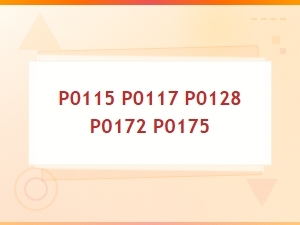 Obd2 Codes for Coolant Sensor Failures and Black Smoke
 How to Replace a Coolant Temperature Sensor to Fix Black Smoke and Rough Idle
 Coolant Temperature Sensor Failure Symptoms Causing Rich Fuel Mixture