You just replaced your coolant temperature sensor expecting a quick fix, but now your tailpipe is puffing out black smoke. That is frustrating, and it is a problem that needs attention right away. Black smoke after this repair usually means the engine is burning too much fuel, and the new sensor or something related to it is likely the cause. This matters because running a rich fuel mixture for too long can damage your catalytic converter, foul your spark plugs, and waste fuel fast.
Why does black smoke appear right after replacing the coolant temperature sensor?
The coolant temperature sensor (also called the ECT sensor or CTS) tells your car's computer how warm or cold the engine is. The ECU uses this reading to decide how much fuel to inject. If the sensor sends a signal that the engine is cold when it is actually warm, the ECU responds by adding extra fuel. That extra fuel does not fully burn, and you see the result as thick black smoke coming from the exhaust.
So the short answer: your engine is likely running a rich fuel mixture because the new sensor is giving the ECU the wrong temperature data. You can learn more about how a rich mixture causes black smoke by reading about diagnosing a rich fuel mixture and black tailpipe smoke.
What specific things can go wrong with a new coolant temperature sensor?
Several things can cause the new sensor to behave badly. Here are the most common culprits:
- Wrong sensor for your vehicle. Coolant temperature sensors are not universal. Different vehicles use sensors with different resistance values and connector shapes. Even a sensor that fits physically may send the wrong resistance range to the ECU.
- Defective new sensor. New parts can be faulty out of the box. This is more common with cheap aftermarket sensors than with OEM parts.
- Loose or corroded connector. If the electrical connector is not fully seated, or if there is corrosion on the pins, the signal to the ECU becomes erratic or incorrect.
- Damaged wiring. During the replacement, you may have nicked or pulled a wire. Even a small break in the insulation can cause a short or open circuit.
- Air pockets around the sensor. If there is trapped air where the sensor sits, it reads the air temperature instead of the coolant temperature. Air is much cooler than coolant, so the ECU thinks the engine is cold.
- Not enough coolant after the repair. Replacing the sensor often means draining some coolant. If you did not refill and bleed the system properly, the sensor may not be submerged in coolant.
- Sensor not tightened correctly. An under-tightened sensor can leak and allow air in. Over-tightening can crack the housing or damage the sensor's internal elements.
How can you tell if the coolant temperature sensor is the real problem?
Before blaming the sensor, confirm the diagnosis. Here are practical steps:
- Use an OBD2 scanner. Check for trouble codes. Codes like P0115 through P0119 point to coolant sensor circuit problems. If you see those codes after the replacement, the sensor or its wiring is almost certainly involved. You can explore OBD2 codes linked to coolant sensor failure for more detail.
- Compare live data to actual coolant temperature. With the engine warm, use the scanner to read the ECT value. Compare it to the actual temperature measured with an infrared thermometer on the thermostat housing or upper radiator hose. If the reading is wildly off, the sensor is giving bad data.
- Check coolant level and bleed the system. Open the bleeder valve (if your car has one) and make sure no air is trapped. Top off the coolant to the proper level.
- Inspect the connector and wiring. Unplug the sensor, look for green corrosion, bent pins, or loose terminals. Plug it back in firmly until it clicks.
- Monitor short-term fuel trim (STFT). If the STFT is reading heavily negative (like -15% to -25%), the ECU is trying to compensate for too much fuel a sign the sensor may be telling the computer the engine is colder than it really is.
Could something else be causing the black smoke?
Yes. While the timing makes the sensor replacement look suspicious, black smoke can also come from other issues that may have been present before or developed around the same time:
- A leaking fuel injector dumping excess fuel into a cylinder
- A clogged or stuck-open fuel pressure regulator
- A dirty or failing mass airflow (MAF) sensor
- A stuck-open purge valve flooding the intake with fuel vapors
- A severely clogged air filter restricting airflow
If you have ruled out the coolant sensor as the cause, these other areas are worth checking. Our article on rich fuel mixture symptoms and black smoke diagnosis covers these possibilities in depth.
How do you fix black smoke caused by a bad coolant temperature sensor replacement?
Work through these steps in order:
- Verify you installed the correct part. Cross-reference the part number with your vehicle's year, make, model, and engine size. If you are unsure, compare the old sensor's resistance readings to the new one at room temperature using a multimeter.
- Check the electrical connection. Disconnect and reconnect the plug. Clean the pins with electrical contact cleaner if needed.
- Bleed the cooling system. Follow your vehicle's specific bleeding procedure. Some cars need the front end raised, others have specific bleed screws. Trapped air is one of the most overlooked causes.
- Clear the codes and test drive. After fixing the issue, reset the ECU with your scanner. Take the car for a 15 to 20 minute drive and watch the live data. The ECT reading should rise gradually and stabilize near the thermostat rating (usually around 195°F or 90°C). Black smoke should be gone.
- If the problem persists, try an OEM sensor. If you used an aftermarket sensor, switch to a genuine OEM part. Some vehicles are very sensitive to the resistance curve of the sensor, and only the OEM part matches the ECU's expected range precisely.
How do you prevent this problem next time?
A few habits can save you from this headache in the future:
- Always match the part number to your exact vehicle before buying.
- Use a thin layer of thread sealant (if specified) rather than Teflon tape, which can interfere with grounding on some sensors.
- Refill coolant slowly and bleed the system thoroughly do not skip this step.
- Double-check the connector is fully seated before closing the hood.
- Use a scanner to verify live ECT data before and after the repair so you have a baseline.
Getting your hands on clear technical fonts for documentation can help when you are logging repair notes or creating a personal vehicle maintenance log. A clean typeface like Montserrat makes printed service sheets easy to read in a garage environment.
Quick checklist before you start your next coolant sensor replacement
- ✅ Confirm the correct sensor part number for your exact vehicle
- ✅ Have an OBD2 scanner ready to check live ECT data after installation
- ✅ Drain only as much coolant as needed and keep it for reuse if clean
- ✅ Inspect and clean the connector pins before plugging in the new sensor
- ✅ Torque the sensor to spec hand-tight plus a quarter turn if no spec is listed
- ✅ Refill coolant and bleed the cooling system completely
- ✅ Clear any stored codes, start the engine, and watch for black smoke
- ✅ Monitor short-term fuel trim to confirm the ECU is not compensating for a rich condition
If black smoke clears within a few minutes of driving and your fuel trims return to normal (within ±5%), you fixed it. If the smoke sticks around, the sensor may be defective or there is a different underlying issue causing the rich condition.
 How a Faulty Coolant Sensor Causes Black Exhaust Smoke
 Diagnosing Rich Fuel Mixture: Black Tailpipe Smoke Symptoms Explained
 Can a Bad Engine Temperature Sensor Make a Car Run Rich and Smoke
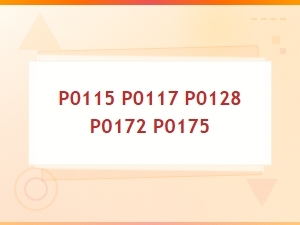 Obd2 Codes for Coolant Sensor Failures and Black Smoke
 How to Replace a Coolant Temperature Sensor to Fix Black Smoke and Rough Idle
 Coolant Temperature Sensor Failure Symptoms Causing Rich Fuel Mixture